
Sports Massage vs Deep Tissue Massage in Solihull: Which One Does Your Body Actually Need?
Sports Massage vs Deep Tissue Massage in Solihull: Which One Does Your Body Actually Need?

If your muscles feel tight, heavy or restricted, choosing the right massage can make your next appointment feel much more worthwhile.
Perhaps you are training for an event, returning to exercise or managing a recurring ache. Or maybe your neck, shoulders and back simply feel tired after long hours at a desk. Both sports massage and deep tissue massage can support relief, but they are not quite the same treatment.
The right option depends on why your body feels uncomfortable, how you move each day and what you want to feel afterwards.
At Liya Sports Therapy in Shirley, Solihull, treatment is personalised around your comfort, movement and goals. Our Level 3 certified therapists combine modern sports therapy with authentic Traditional Chinese massage techniques, providing focused care rather than a one-size-fits-all experience.
The short answer
Choose sports massage when your tension or discomfort is closely connected to exercise, training, physical work or a particular movement pattern.
Choose deep tissue massage when your main concern is persistent muscle tightness, stiffness or postural tension that is not necessarily linked to sport.
There can be some overlap. A sports massage may include firm, focused work, while a deep tissue approach may be helpful for an active person with long-standing tightness. Pressure alone does not determine which treatment is best.
At a glance
| Sports massage | Deep tissue massage |
|---|---|
| Focuses on activity, movement and recovery | Focuses on persistent tension and stiffness |
| Suits athletes, active adults and physical workers | Suits anyone experiencing deeper muscular tightness |
| May be planned around training or events | Usually works around your symptoms and comfort |
| Can include stretching and targeted techniques | Uses slower, more sustained pressure |
| Supports mobility, recovery and injury prevention | Supports relief from knots, postural strain and discomfort |
What is sports massage?
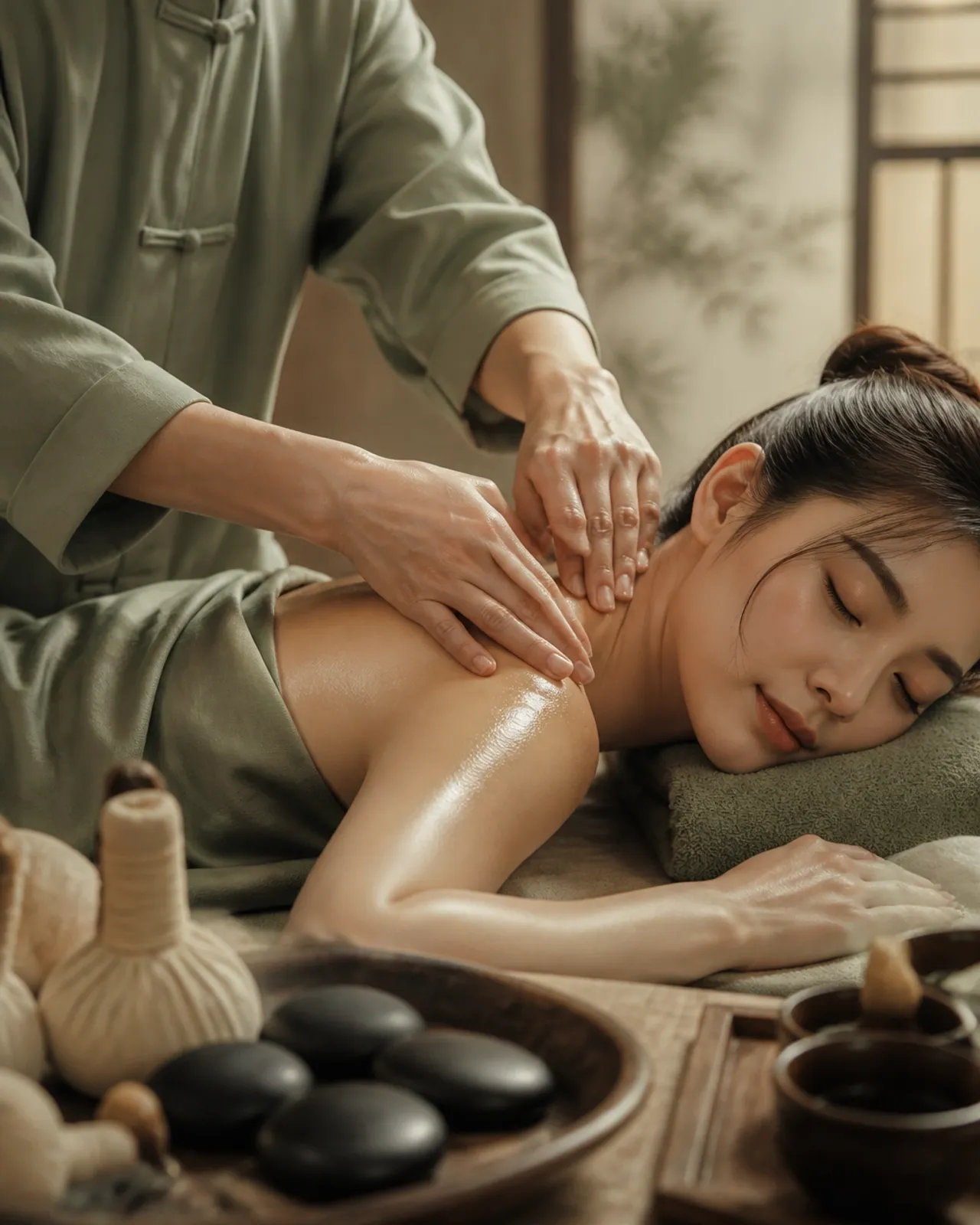
Sports massage is a targeted treatment designed around the demands placed on your body through exercise, sport or repetitive physical activity.
You do not need to be an elite athlete. You might be a weekend runner, regular gym-goer, cyclist, dancer or team-sport player. You may also have a physically demanding job that leaves certain muscles working harder than others.
A sports massage can focus on the areas you rely on most , such as your calves, hamstrings, hips, shoulders or lower back. Your therapist may consider how you train, when you experience discomfort and whether your movement feels limited.
Treatment can include a combination of:
- Targeted muscle work
- Stretching
- Trigger point techniques
- Myofascial release , focused work around muscle and connective tissue
- Gentle movement and mobility techniques
- Pressure adjusted to your body and current training phase
The aim is not to make every session as intense as possible. It is to give your body the kind of support it needs today.
Sports massage may suit you if:
- Your muscles feel tight after running, lifting or training
- You are preparing for a race, match or physically demanding event
- You are returning to activity after time away
- You experience recurring discomfort during a particular movement
- You want to support recovery between workouts
- Your work involves lifting, standing or repetitive movement
- You want to maintain comfortable mobility as your activity levels change
A treatment may be shorter and focused on one or two areas, or longer if several parts of the body need attention. At Liya Sports Therapy, Sports Massage appointments are available for 30 or 60 minutes, from £30.
What is deep tissue massage?
Deep tissue massage is a slower, more concentrated approach to relieving muscular tension. It typically uses firm pressure and sustained strokes across deeper layers of muscle and connective tissue.
Despite its name, “deep” does not mean painful. Effective treatment should never require you to brace, hold your breath or tolerate sharp discomfort. Your therapist should check the pressure with you and adjust it throughout the session.
Deep tissue massage is often chosen for areas such as:
- The neck and shoulders
- The upper and lower back
- The hips and glutes
- The thighs and hamstrings
- The calves and forearms
It may be helpful when tension has gradually built up through desk work, repetitive movements, stress or an old strain. The treatment is usually less connected to a specific sport or event. Instead, it follows the areas that feel restricted, tired or uncomfortable.
Deep tissue massage may suit you if:
- You have persistent knots or muscular tightness
- Your posture leaves your neck, shoulders or back feeling tense
- You spend long periods sitting or working in one position
- Your movement feels stiff rather than acutely injured
- You want slower, focused work on areas of discomfort
- Your main goal is general pain relief and a greater sense of ease
If you are searching for deep tissue massage Solihull, it is worth asking how the treatment is adapted to your needs. A responsible therapist will not simply apply maximum pressure. They will consider your symptoms, medical history, comfort and movement before deciding how to work.
Which treatment is better for active people?
Being active does not automatically mean that sports massage is the right choice.
For example, if you have recently increased your running and your calves feel tight after each session, sports massage may be the more natural fit. It can be planned around your training and focused on the muscles most involved.
However, if you are active but have ongoing shoulder tension from desk work, deep tissue-style work may be more appropriate. Your concern is not necessarily your sport. It is the persistent tightness affecting your everyday comfort.
The same applies to old injuries. A sports massage may support your recovery, but it should not replace a medical diagnosis where one is needed. Your therapist can work within their scope and advise you when further assessment would be sensible.
Sports massage Solihull: when a corrective approach matters
A relaxing massage can feel wonderful, but some concerns need more targeted attention.
At Liya Sports Therapy, sports massage is designed to support both physical performance and everyday wellbeing. Your therapist will listen to what you are experiencing and focus on the areas that may be contributing to restricted movement or recurring tension.
That could mean working on a specific muscle group rather than providing a full-body treatment. It could also mean adapting the pressure because you have recently trained, are feeling sensitive or are returning after an injury.
This corrective approach is especially useful when:
- The same discomfort keeps returning
- One side of your body feels tighter than the other
- You have lost some flexibility or range of movement
- Your muscles feel overworked after a change in routine
- You want practical guidance as well as hands-on treatment
The goal is to help you move with more comfort and confidence , not to leave you feeling as though you have endured a test of strength.
How to choose your appointment
Before booking, consider these three questions.
1. What is your main goal?
If you want to support training, recovery or movement, begin by considering sports massage.
If you want to ease long-standing muscular tension, stiffness or postural discomfort, consider deep tissue massage or ask about a focused therapeutic treatment.
2. When do you notice the problem?
Does it appear during or after exercise? Is it linked to a particular movement, distance or workout?
That pattern may suggest sports massage.
Does it build gradually through the day, especially after sitting, driving or working at a computer?
A deep tissue-focused approach may be more suitable.
3. What kind of experience feels right?
Sports massage can be more dynamic and activity-specific. It may include focused pressure, stretching and work around movement patterns.
Deep tissue massage is generally slower and more concentrated. It may spend longer on a small number of tight areas.
Neither option should feel rushed or impersonal. You should be able to explain what you need, ask for a pressure change and remain covered and comfortable throughout.
Your comfort comes first
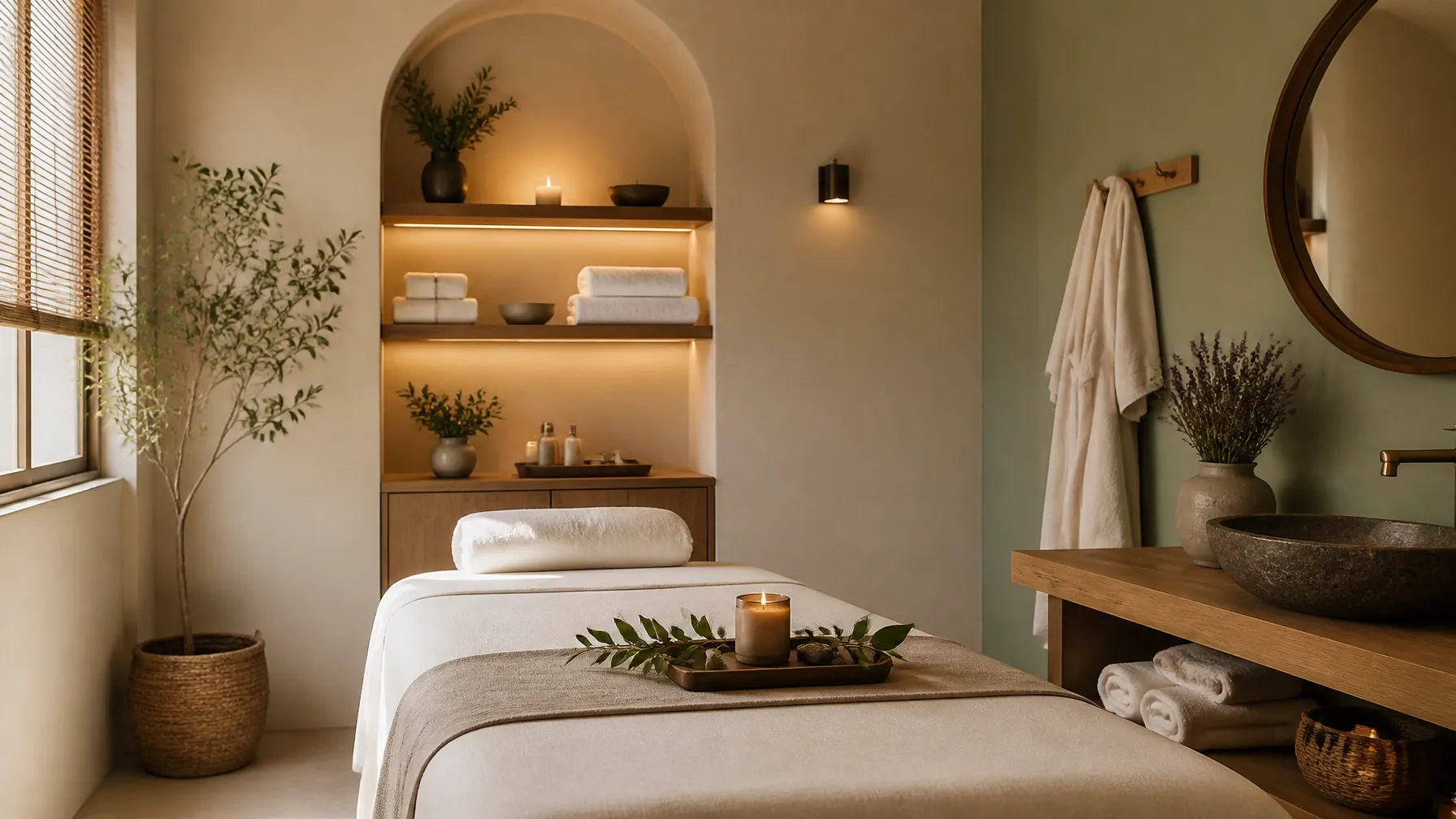
For sports or deep tissue work, you can wear underwear or loose shorts. You may also remain clothed while your therapist works through lightweight fabric, depending on the treatment and area.
You undress only to the level that feels comfortable. Fresh towels are used throughout, and your privacy is protected while you prepare. If you arrive from work or the gym, you are welcome to change in the treatment room.
A good appointment begins with a conversation. Tell your therapist:
- Where you feel discomfort
- When it started
- What makes it better or worse
- What activity or work you do
- Whether you have any diagnosed conditions or recent injuries
- What pressure you prefer
Please speak to your GP or an appropriate healthcare professional before massage if you have unexplained severe pain, significant swelling or bruising, a suspected fracture, signs of infection or a condition that may make massage unsuitable.
A calmer way to decide
Sports massage and deep tissue massage are not competing treatments. They are different ways of responding to different needs.
Sports massage is usually the better starting point when your body is asking for activity-specific support, recovery care or help with movement. Deep tissue massage may be more appropriate when your main concern is persistent tension, stiffness or postural strain.
If you are still unsure, you do not need to decide perfectly before you arrive. Share your goals and symptoms when booking, and your therapist can help you choose a treatment that feels considered and comfortable.
Liya Sports Therapy is based at Gateway House in Shirley, Solihull, and is open seven days a week from 9am to 9pm. Explore our treatments and prices, or call 07928 070855 to discuss what your body may need today.
Step into a quieter space, receive expert care and leave feeling lighter, more comfortable and ready to move with ease.

Book your treatment
Level 3 certified therapists in Shirley, Solihull — open 7 days.
Call 07928 070855